
My Approach to Pitching Development
More than mechanics. More than velocity.
Develop the Pitcher. Not Just the Delivery.
Pitching is a skill that takes years to develop. It requires physical ability, repetition, discipline, and an understanding of how your body moves.
My goal is not to create a delivery that looks like everyone else’s. It’s to help each pitcher understand their own movement, build efficient mechanics, develop confidence, and become a more complete athlete.

From Florida State to the Coaching Field
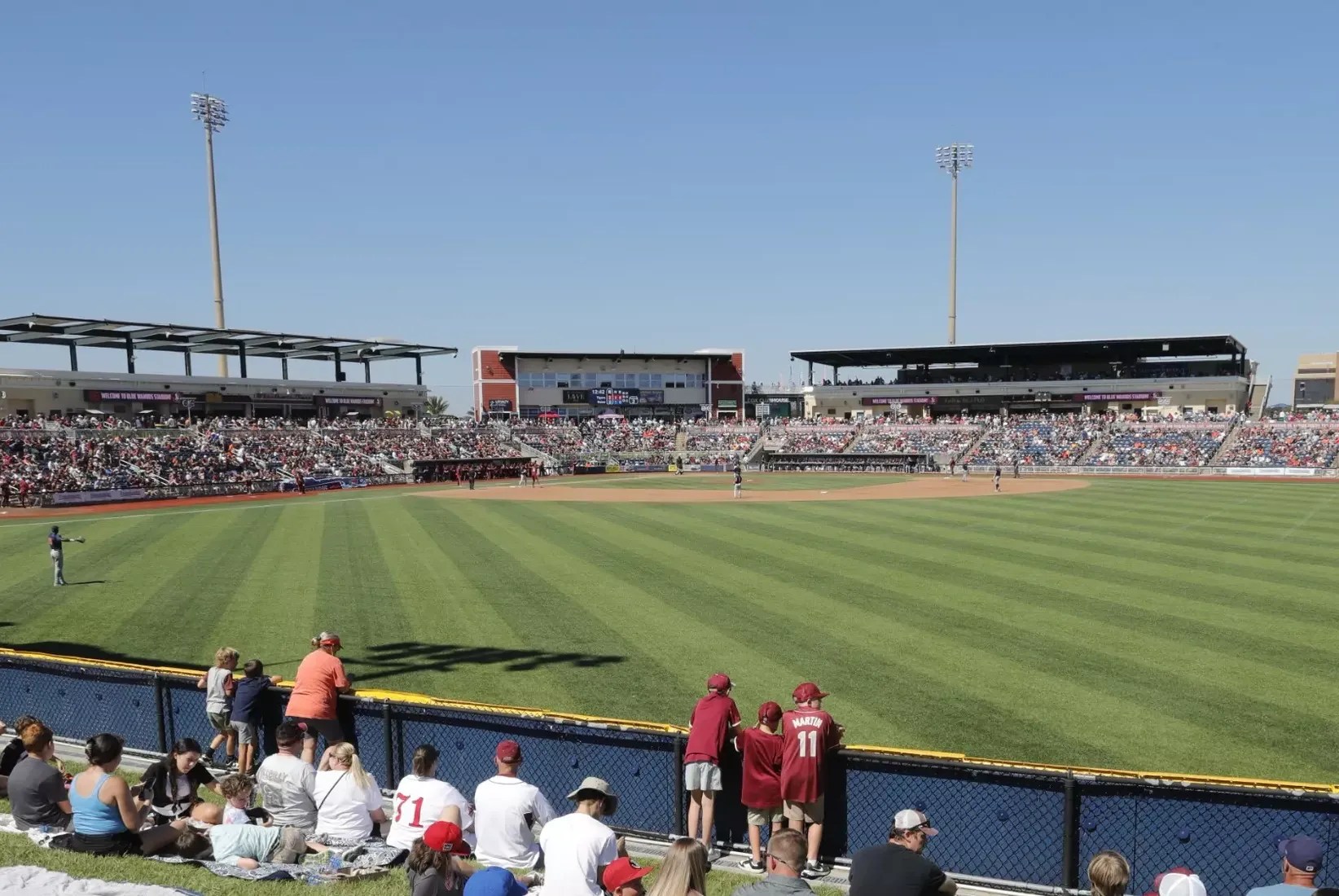
I played four years of college baseball at Florida State University from 2012–2016. During my freshman season, I went 12–2 with a 2.87 ERA over 18 starts and earned Freshman All-American recognition.
I also experienced the demands of competing in the College World Series and the challenges that come with playing at the Division I level.
My college career wasn’t without adversity. After undergoing Tommy John surgery, I had to work through rehabilitation, rebuild my arm strength, and earn my way back into the weekend rotation.
I later continued playing and coaching internationally in Germany. These experiences shaped how I coach today: with an emphasis on preparation, patience, consistency, and continued development.
Build Good Habits Early
At a young age, mechanics should be one of the primary focuses of pitching development. It’s much easier to teach, learn, and reinforce good movement patterns before inefficient habits become ingrained.
When a pitcher has thrown the same way for many years, the body becomes accustomed to those patterns. Changing them can take considerably more time, repetition, and effort.
As athletes get older, they often develop a better understanding of how their bodies move through space. They can become more capable of recognizing movement patterns, understanding feedback, and making adjustments.
Every Pitcher Has Their Own Delivery
There is no single perfect delivery that every pitcher should try to copy. Pitchers have different body types, movement patterns, strengths, and natural tendencies. What works for one athlete may not work for another.
I’m not interested in changing everything about a pitcher’s delivery just to make it look a certain way. I want to understand what they’re already doing well, identify opportunities to improve, and help them understand how their body moves to produce a strong, efficient, and consistent delivery.
Sometimes the best adjustment is a small one. Sometimes it takes more time and repetition. The important thing is understanding why an adjustment is being made and how it helps the individual pitcher.
What Does It Really Take to Become a Division I Starting Pitcher?
There are thousands of videos, articles, and social media posts promising that one particular drill, exercise, or mechanical adjustment will turn you into a Division I pitcher or will add 5mph to your fastball.
The reality is that there is no single thing that makes someone a Division I pitcher or that will add 5mph to your fastball. It takes a combination of talent, discipline, practice, preparation, consistency, and drive. Throwing hard is important, but it is only one part of the equation.
How do you react in high-pressure situations?
How do you respond when your defense makes an error?
How do you handle a missed call by the umpire?
How do you treat your teammates, coaches, and fans?
Are you disciplined enough to prepare, practice, and take care of your body?
Can coaches count on you to be accountable on and off the field?
As a Division I athlete, you’re representing more than yourself. You’re representing your teammates, your coaches, and your university.
College coaches are asking themselves: Is this someone we want representing our program and school? Can we count on this player to be a good teammate, take care of their responsibilities, and contribute to the culture of our program?
Being a successful college athlete requires more than physical ability. It requires maturity, responsibility, and a commitment to being part of something bigger than yourself.
My Goal as Your Pitching Coach
I want every pitcher I work with to leave with more than a list of mechanical corrections. I want them to understand their delivery, recognize what they’re doing well, know what they need to improve, and have a plan for getting better.
Whether you’re just beginning to learn how to pitch, preparing for high school baseball, or working toward the opportunity to play at the collegiate level, development starts with understanding where you are and what you need next.
Build good habits. Understand your body. Develop your own delivery. Compete with confidence.
Schedule a Pitching Lesson →DEVELOPMENT
SUCCESS
MIKE COMPTON PITCHING